



Buying your first commercial truck is a business milestone you can be proud of. You’re investing in the foundation of your operations, and choosing wisely makes all the difference. As of November 2023, there were 922,854 independent owner-operators in the U.S. — a reminder that many others have built successful careers after standing where you are today. This guide outlines the practical steps to purchasing your first commercial truck.
How to Choose a Commercial Truck in 7 Steps
Make informed choices at every decision stage.
1. Define Your Purpose
Commercial trucks serve different business needs.
- Semitrucks: Long-haul operations with dry van, refrigerated or flatbed trailers for moving freight across states and through varying terrain from flat highways to mountain passes.
- Medium-duty trucks: Box trucks and straight trucks for regional delivery and local freight operations, typically on mixed terrain, including urban streets and suburban routes.
- Vocational trucks: Dump trucks, cement mixers and specialty configurations built for demanding work environments, such as construction sites, steep grades and unpaved terrain.
- Light-duty trucks: Pickup trucks and smaller vehicles for local service and delivery are suitable for city streets and residential areas.
Calculate your average payload and add the weight of your trailer and other peripheral equipment to identify the gross vehicle weight rating. Legal requirements vary by state and may include specific licensing, weight limits and route restrictions. Research the regulations in your region before finalizing specifications.
2. Set a Realistic Budget and Calculate Total Cost of Ownership
Total cost of ownership includes all expenses you’ll incur throughout the truck’s life. Plan for these catetories.
- Up-front costs: Purchase price, taxes, registration fees and dealer documentation charges.
- Financing expenses: Monthly loan or lease payments plus interest charges over the term.
- Fuel consumption: Your largest ongoing expense, varying with routes, loads and driving habits.
- Insurance premiums: Required liability coverage plus optional protection.
- Maintenance and repairs: Scheduled service, unexpected breakdowns and component replacements.
- Operating expenses: Tire replacements, toll fees, permits and compliance costs.
The industry average cost of operating a truck in 2024 was $2.260 per mile. Your actual costs will vary based on fuel efficiency, route types, maintenance practices and how you finance the purchase. Build your budget by estimating annual mileage and multiplying by your projected per-mile cost. Add your monthly payment amount for a complete picture.
3. Choose Between a New or Used Truck
New trucks offer the latest technology, comprehensive manufacturer warranties and predictable maintenance schedules. You’ll pay premium prices but gain peace of mind. Used trucks cost substantially less up front, allowing you to enter the market sooner. However, hidden problems can lead to surprise repairs.
Certified preowned programs bridge this gap by offering inspected vehicles with backed warranties. For instance, SelecTrucks offers Freightliner-backed warranties that give used truck buyers warranty coverage similar to that of new equipment. Dealers with new commercial trucks and certified SelecTrucks preowned inventory let you easily compare options.
4. Research and Compare Your Options
Compare makes and models based on your defined needs.
- Freightliner models dominate long-haul operations with widespread networks.
- Isuzu models deliver reliable performance for medium-duty applications.
- Western Star builds vocational trucks for demanding work environments.
- Kenworth offers customizable options for owner-operators seeking specific features.
Check reported mileage, maintenance records and current condition reports. Request multiple photos showing the engine bay, undercarriage, cab interior and exterior from all angles. Incomplete listings often hide problems, so ask sellers for additional documentation.
5. Conduct a Thorough Pre-Purchase Inspection
Take the truck on highways, local streets and backing maneuvers. Listen for unusual noises, feel for vibrations and test all controls under realistic conditions.
Here’s how to conduct a comprehensive inspection:
- Look for cracks, rust or previous repair work that indicates past damage.
- Check for even wear patterns that confirm proper alignment and adequate tread depth.
- Examine panels for damage and verify that all doors, compartments and latches operate smoothly.
- Inspect for leaks, unusual sounds and proper fluid levels throughout.
- Test smooth shifting through all gears with no slipping, grinding or hesitation.
- Verify adequate pad life and properly functioning air systems that meet safety standards.
- Look for worn bushings, damaged airbags or leaking shocks that affect ride quality.
6. Secure Financing for Your Purchase
Financing options vary based on your business structure, credit history and down payment amount.
- Traditional truck loans function like auto loans with fixed terms and monthly payments.
- Leases require lower up-front costs and may offer tax advantages, though you won’t build equity.
- Lines of credit provide flexibility for businesses with seasonal income patterns.
Compare interest rates, loan terms, down payment requirements and prepayment penalties to explore options that match your business models and cash flow needs.
7. Understand Insurance and Compliance Requirements
Operating legally requires proper insurance coverage and regulatory compliance. You’ll need several types of protection.
- Primary liability insurance: Covers damage and injuries you might cause to others.
- Physical damage coverage: Protects your truck investment through collision and comprehensive policies against accidents and other hazards.
- Cargo insurance: Covers lost, damaged or stolen freight under your care.
Compliance requirements change based on truck weight, cargo type and operating range. Review current trucking regulations to understand your specific obligations.
Factors to Consider When Choosing a Commercial Truck
These variables will help you accurately evaluate your options.
Engine Performance and Fuel Efficiency
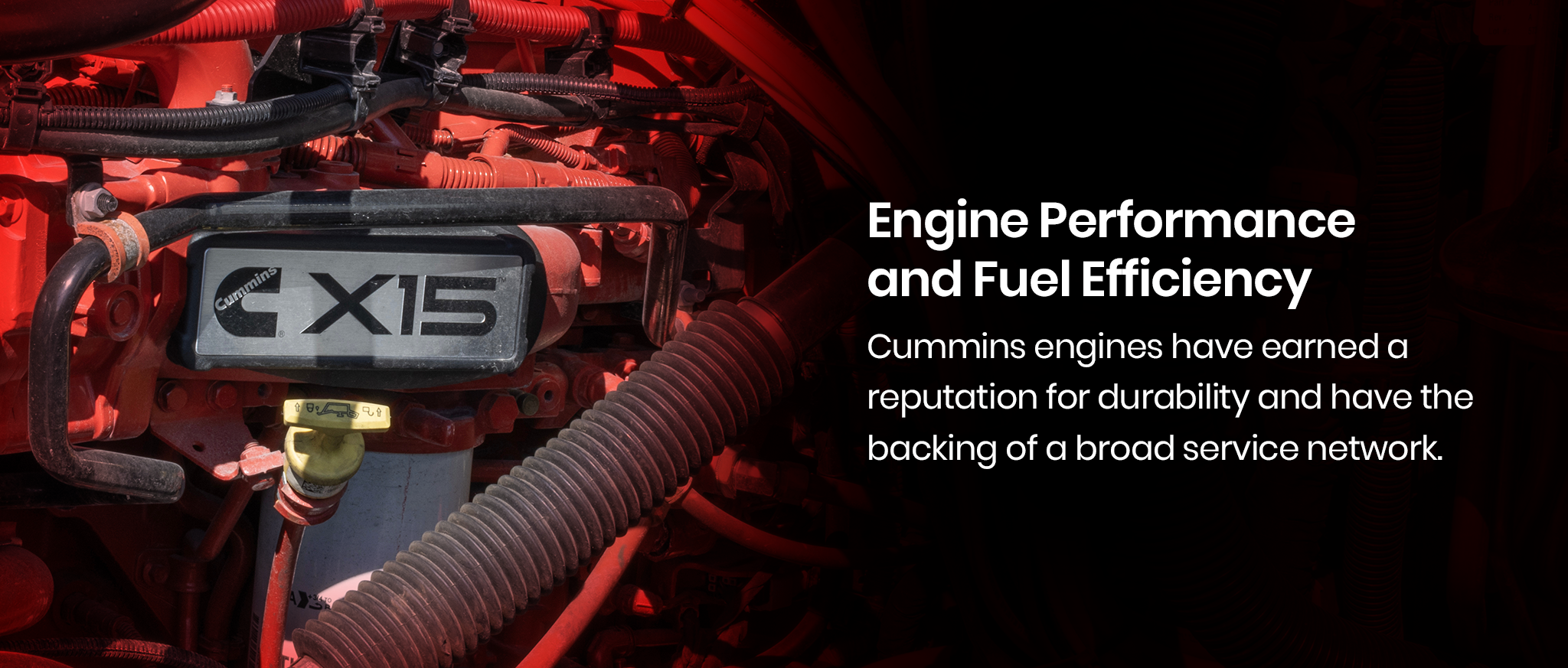
Cummins engines have earned a reputation for durability and have the backing of a broad service network. Detroit engines integrate with Freightliner and Western Star trucks, offering excellent performance. Choose engine size based on your typical loads and terrain. Higher horsepower handles heavy loads and mountains but costs more to operate on flat terrain with lighter cargo.
Aerodynamic cab designs cut through wind resistance at highway speeds, while proper tire selection and inflation reduce rolling resistance. Modern automatic transmissions with economy modes can adjust shift points to prioritize mileage over performance when conditions allow. These incremental improvements may seem small on a single tank, but they can compound into substantial savings over hundreds of thousands of miles of operation.
Payload Capacity and GVWR
GVWR defines the maximum loaded weight for your truck, including the vehicle, fuel, cargo and driver. Calculate your needs by adding your typical load weight to the truck’s empty weight plus fuel and equipment. Exceeding GVWR creates safety hazards, accelerates wear on components and leads to rule violations that carry steep fines. Overweight tickets impact your safety scores and insurance rates.
Automated vs. Manual Transmissions
Consider how each type serves different operational styles.
- Manual transmissions: Give experienced drivers full control and typically cost less, though they require skill to operate efficiently and can fatigue drivers in heavy traffic.
- Automated manual transmissions: Combine manual efficiency with automatic convenience, optimizing shift points for fuel economy better than most drivers can manually.
- Full automatic transmissions: Offer maximum convenience and reduce driver fatigue substantially in stop-and-go traffic, making training new drivers easier.
Sleeper vs. Day Cab
Day cabs work well for regional and local operations where you finish each day at home. They cost less initially and weigh less, which means you can haul more payload. Sleeper cabs add the space you need for long-haul work.
It’s worth thinking about resale value at this point, even if you don’t plan to sell your truck anytime soon. Sleeper trucks sell faster because the long-haul market stays active. Day cabs appeal to a smaller group of regional operators, so finding a buyer takes longer. Extended sleepers cost more initially, but they typically hold their value well in markets where long-haul demand stays strong.
Environmental Considerations
Current EPA emissions standards require advanced exhaust systems that significantly reduce pollution from heavy-duty trucks. These systems add complexity to engine management and increase maintenance costs compared to older engines.
Electric trucks are emerging as practical options for specific applications. Limited battery range currently restricts them to predictable local routes with reliable charging infrastructure, but the operating cost savings are substantial when can plug your vehicle in instead of buying diesel.
Choose Campbell Supply for Your Commercial Truck Needs
Campbell Supply Company brings decades of experience serving owner-operators and fleet managers across the region. Our extensive inventory includes new commercial trucks and certified SelecTrucks preowned vehicles.
We can work with you to find financing terms that fit your business model, and we maintain an extensive parts inventory for quick delivery when you need it most. Most importantly, our service team treats your success as our own.
Ready to start your search? Contact us today to discuss your specific needs.